A new COVID variety quickly spreads throughout the United States, raising concerns about the summer wave.
Health experts are concerned about the possibility of a large summer wave even though COVID-19 transmission is still low in the US. This is because two factors appear to be headed in the same direction: a new SARS-CoV-2 variant that has an infectious advantage over other variants and a lull in infection activity that indicates protective responses have probably waned in the population.
NB.1.8.1 is the new variant's designation. It is a descendent of omicron, much like all the other variations that are currently in use. In particular, the recombinant variety XDV.1.5.1 is the source of NB.1.8.1. The novel variety features a few changes that may make it easier for it to attach to human cells and avoid some immune responses that protect it, in contrast to the dominant omicron variants JN.1 and LP.8.1.
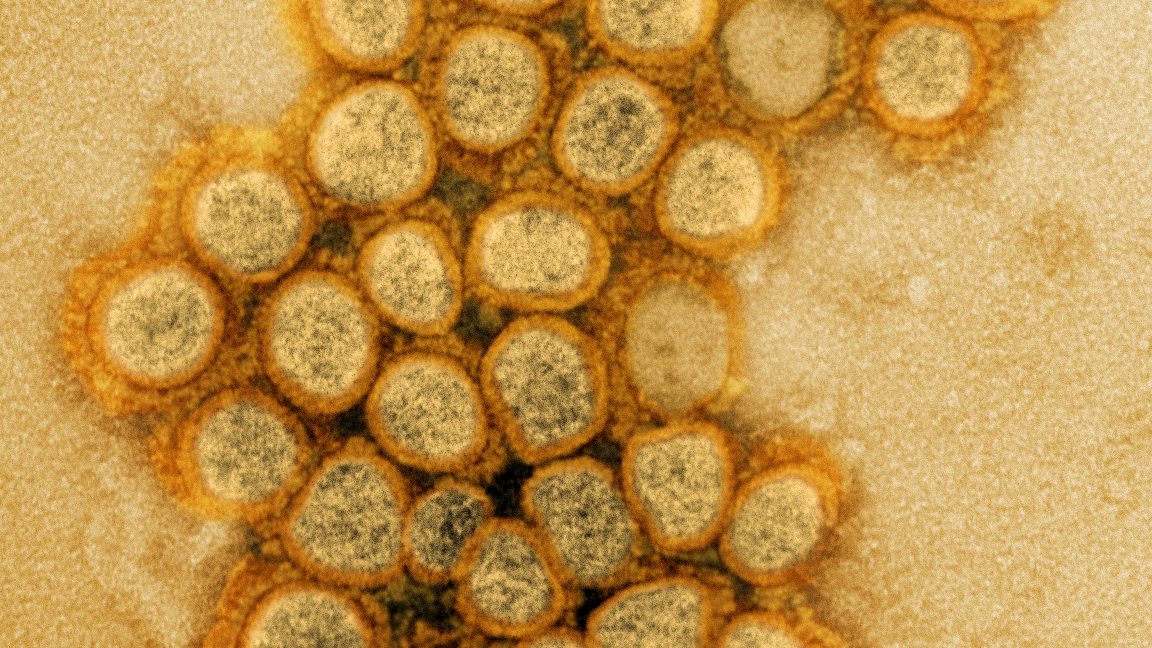
On May 23, NB.1.8.1 was classified by the World Health Organization as a "variant under monitoring," which means that while early indications suggest it has an advantage over other variants, its effect on populations is still unclear. Infections and hospitalizations associated with the spread of NB.1.8.1 have increased in recent weeks in several Asian countries, including China, Hong Kong, Singapore, and Taiwan. Thankfully, the variety doesn't seem to cause more serious illness, and current immunizations should continue to work against it.
However, it seems to be rapidly gaining traction in the US, which is raising concerns that it might lead to a surge here as well. According to the Centers for Disease Control and Prevention's most recent tracking data, NB.1.8.1 is thought to be responsible for 37% of cases in the United States. Two weeks ago, that percentage was 15%. With an estimated 38 percent of cases, NB.1.8.1 is now on track to surpass LP.8.1.
The CDC warns that there are wide potential ranges for the actual proportions of the variations because those estimates are based on inadequate data. Potential case percentages for NB.1.81 and LP.8.1 are 13 percent to 68 percent and 23 percent to 57 percent, respectively.
Increased vulnerability:
There is no question that NB.1.8.1 is spreading in the United States, regardless of the point estimate. In Europe, it's doing the same thing. Although COVID-19 activity is now low, the European Centre for Disease Prevention and Control issued a warning on Friday that a steady summer increase is starting and might end up being significant.
incidence could increase in the coming weeks," stated Edoardo Colzani, Head of Respiratory Viruses at ECDC, in a statement. "We don't think the NB.1.8.1 variant will significantly affect the efficacy of the vaccine against severe disease, nor do we think it will provide a higher public health risk than other Omicron-descendant variants. However, population protection against SARS-CoV-2 may have partially diminished after a winter with low SARS-CoV-2 circulation.especially among elderly people and those people who are more susceptible to serious illness—possibly making them more vulnerable as viral activity increases," he continued.
The same is true for the US, which typically experiences waves later than Europe. Due to the quiet winter in the US, population immunity is most likely low. However, America's COVID-19 policies are currently in a state of chaos, unlike those in Europe. Recommendations for COVID-19 immunizations have been withdrawn when anti-vaccine activist Robert F. Kennedy Jr. was appointed as the nation's top health official. Kennedy and the Food and Drug Administration's sudden modifications may create access hurdles, especially for healthy adults under 65, pregnant women who are at risk, and children. Additionally, the Trump administration has reclaimed billions of dollars in financing.
The US CDC has similarly suffered from policy changes and staff reductions. Another CDC staffer who helped shape COVID-19 vaccine policy resigned on Monday. Fiona Havers, the official, was in charge of gathering information on hospitalizations for RSV and COVID-19. In an email that Reuters was able to receive, she expressed her lack of confidence in the use of the COVID-19 and RSV data "objectively or evaluated with appropriate scientific rigor to make evidence-based vaccine policy decisions."
The Advisory Committee on Immunization Practices of the CDC will convene from June 25–27 to decide on recommendations on the use of COVID-19 vaccines. Kennedy dismissed the committee's 17 experts last week, replacing them with a number of panelists who opposed vaccines.
Tags:
New COVID variant 2023
COVID-19 summer wave 2023
US COVID variant surge
COVID-19 new strain concerns
COVID variant spread in US
COVID-19 summer wave concerns
New COVID variant rising US
COVID-19 new variant impact summer
COVID-19 US outbreak July 2023
COVID summer wave 2023 predictions
Coronavirus variant spreading fast in US
COVID-19 cases rising in summer 2023
US COVID-19 case surge summer
New COVID strain USA 2023
COVID-19 Delta variant replacement
COVID variant news US July 2023
Summer COVID-19 wave experts predict
COVID-19 variant in United States 2023
Impact of new COVID variant USA
US COVID-19 variant mutations concerns
https://www.aitechgadget.com/2025/06/a-new-covid-variety-quickly-spreads.html



0 Comments